
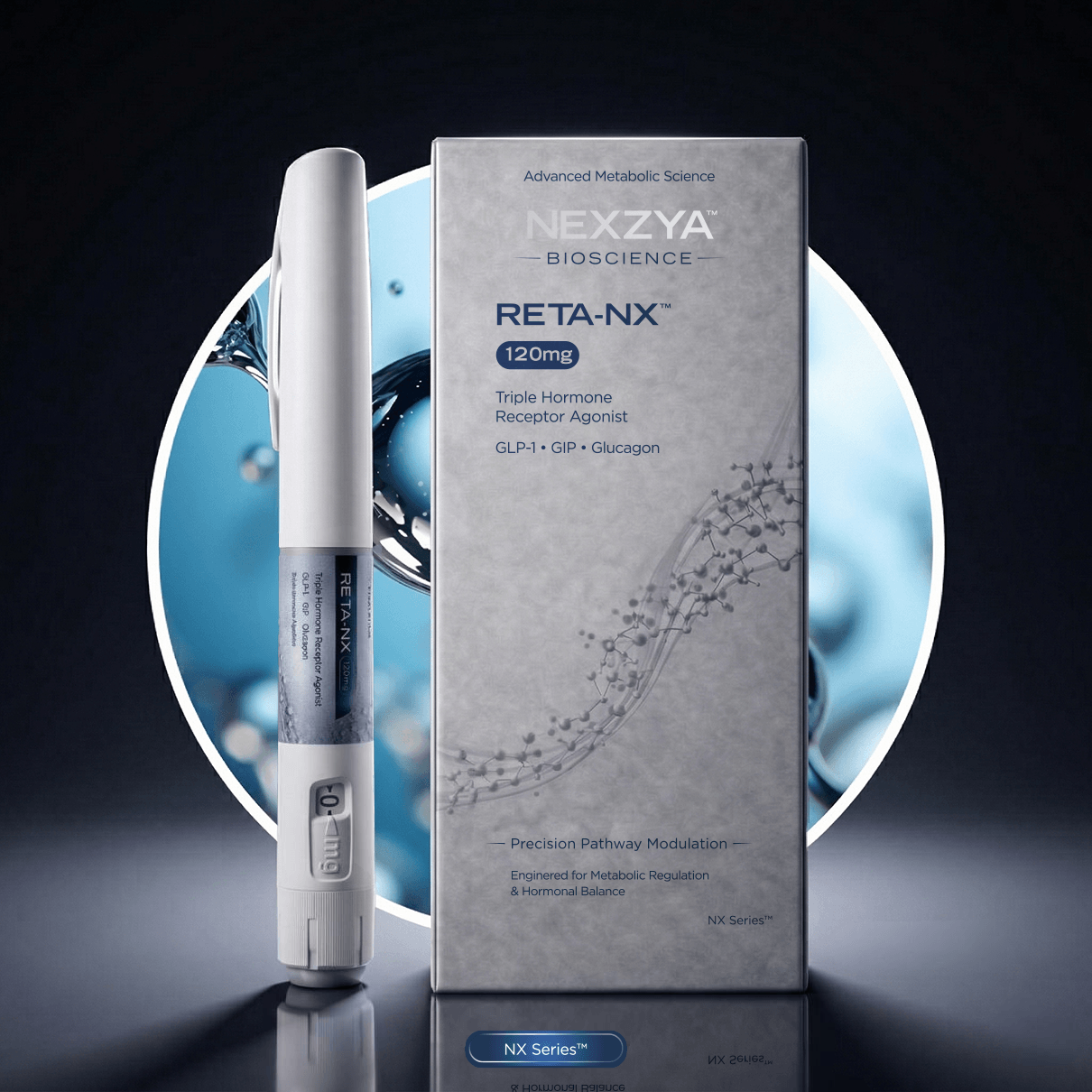
Advanced Metabolic Peptide
RETA-NX™ Retatrutide 120mg
- 1. Modulates GLP-1, GIP and glucagon pathways
- 2. Supports metabolic signaling pathway investigation
- 3. Explored in energy balance research models
- 4. Studied for endocrine system pathway modulation
- 5. Investigated in advanced metabolic regulation studies
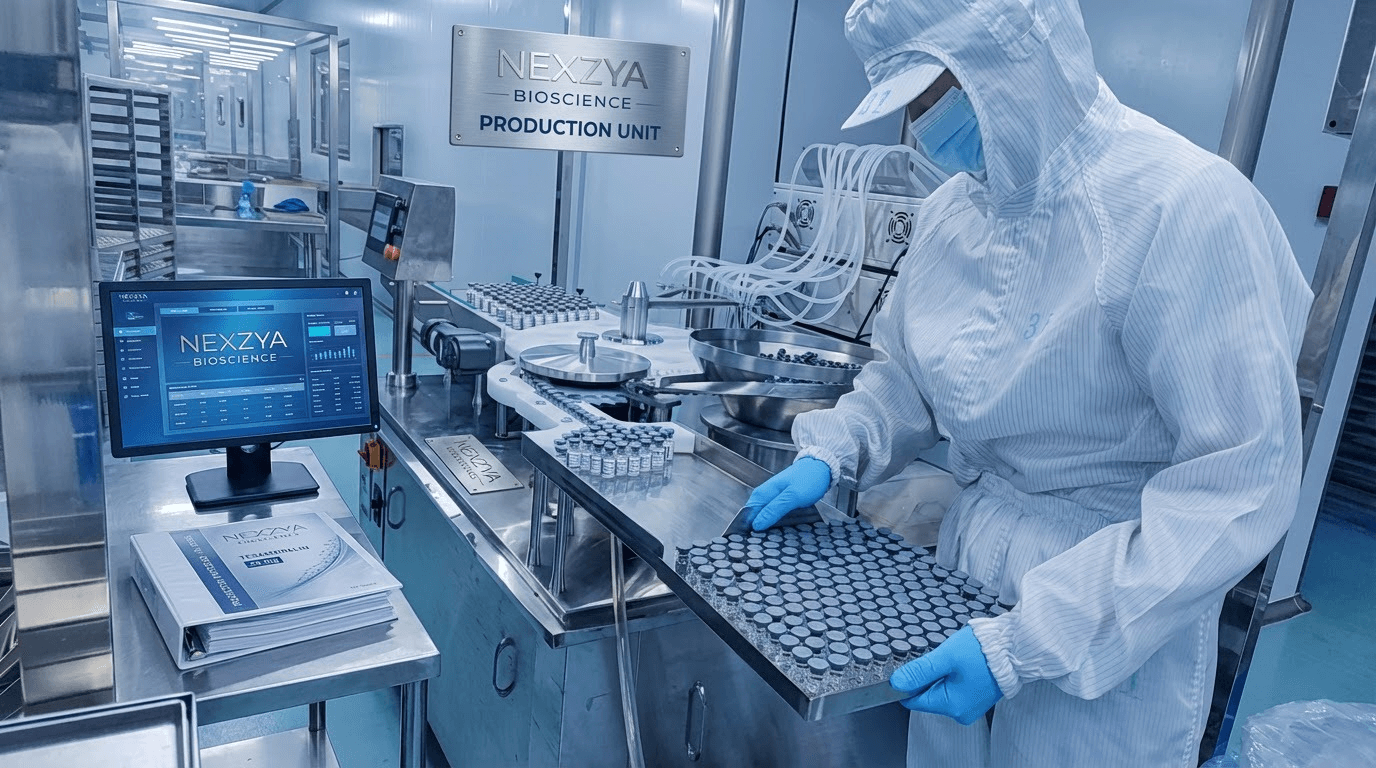
Scientific Excellence
Analytical Transparency & Scientific Authority
Our platform is built upon uncompromising scientific rigor, advanced analytical validation, and a structured commitment to molecular precision. Every compound undergoes documented quality assessment, ensuring high purity standards and traceable laboratory verification aligned with international research expectations and professional bioscientific practices.
Scientific Rigor
Focus on research-grade materials designed for laboratory and scientific applications.
Analytical Transparency
Commitment to comprehensive technical documentation and laboratory data traceability.
Certified Quality
Purity ≥ 99% verified through advanced analytical methodologies such as HPLC and LC-MS.
Quality Assurance
Supplier Qualification Process
Global Sourcing & Scientific Rigor At NEXZYA Bioscience, quality starts with a rigorous Supplier Qualification Process. We perform a global curation of manufacturers, selecting only those who adhere to international technical standards and provide full transparency in their production processes. This ensures that every compound in our portfolio meets the “Scientific-Grade” classification required for advanced research.
Batch Traceability System (NX-Series)
Institutional Accountability Precision is the foundation of our operation. Our Batch Traceability System ensures that every single vial is cataloged with a unique scientific code. This allows for complete monitoring of the compound’s history, from its molecular synthesis and analytical validation to its final storage, providing researchers with absolute data integrity.
Storage & Stability Protocol
Integrity Under Controlled Conditions To guarantee the molecular stability and potency of our research materials, all compounds are maintained under strictly controlled storage conditions (2–8°C). Our stability protocol protects peptides from light and moisture, ensuring that the biochemical integrity of the product is preserved from our laboratory to your research environment.
Analytical Transparency (COA)
Verified Purity Standards We do not just promise purity; we document it. Every product is accompanied by a Certificate of Analysis (COA), detailing its HPLC (High Performance Liquid Chromatography) purity profile and, where applicable, LC-MS (Mass Spectrometry) data. We guarantee a minimum purity of ≥ 99%, reflecting our commitment to the highest standards of the scientific community.
Our Products

Mitochondrial Support Peptide
SS-31 (also known as Elamipretide) is a mitochondria-targeting peptide investigated in scientific research for its role in supporting mitochondrial function, reducing oxidative stress, and stabilizing cardiolipin interactions within the inner mitochondrial membrane. It is primarily studied in experimental models related to cellular energy dynamics and mitochondrial integrity.
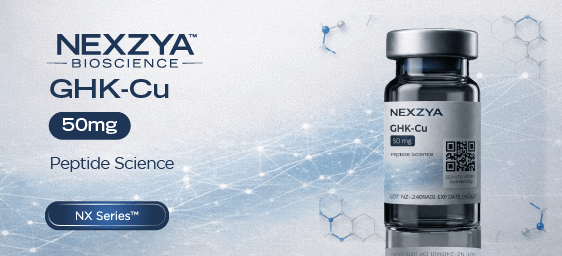
Copper Regeneration Peptide
GHK-Cu (Glycyl-L-Histidyl-L-Lysine Copper) is a copper-binding peptide complex widely studied in laboratory research for its role in cellular regeneration, extracellular matrix remodeling, and modulation of gene expression related to tissue repair processes. It is commonly investigated in experimental models focused on skin biology, wound healing, and collagen dynamics.
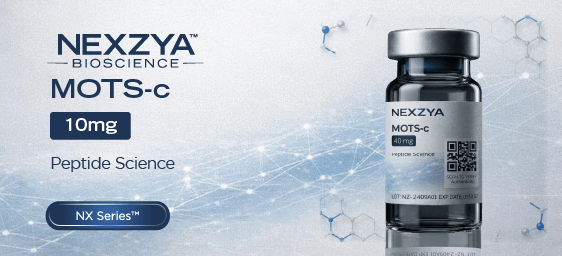
Metabolic Regulation Peptide
MOTS-c is a mitochondrial-derived peptide investigated in scientific research for its role in metabolic homeostasis, insulin sensitivity modulation, and cellular energy regulation. It is commonly studied in experimental models exploring mitochondrial signaling pathways, glucose metabolism, and adaptive metabolic responses under stress conditions.
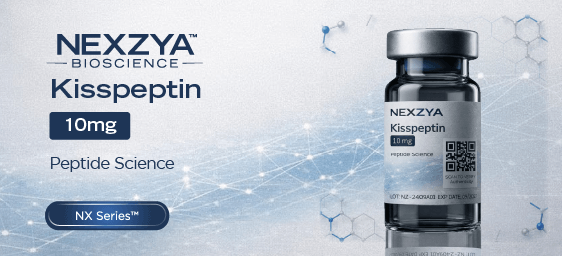
Reproductive Signaling Peptide
Kisspeptin is a signaling peptide studied in scientific research for its regulatory role in the hypothalamic–pituitary–gonadal (HPG) axis, particularly in the modulation of gonadotropin-releasing hormone (GnRH) secretion. It is widely investigated in experimental models related to reproductive endocrinology, hormonal signaling pathways, and pubertal development mechanisms.
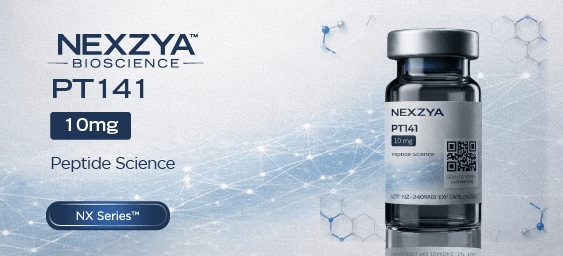
Melanocortin Signaling Peptide
PT-141 (Bremelanotide) is a synthetic melanocortin receptor agonist investigated in laboratory research for its activity on central nervous system pathways involved in neuroendocrine signaling. It is commonly studied in experimental models examining melanocortin receptor modulation and its effects on behavioral and hormonal response mechanisms.
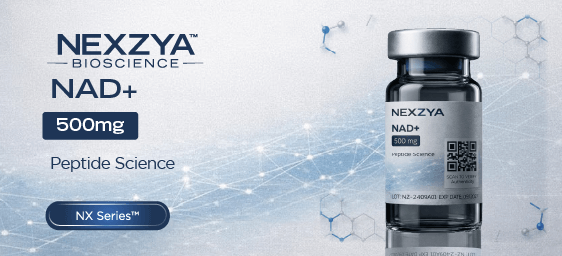
Cellular Energy Cofactor
Nicotinamide adenine dinucleotide (NAD+) is an essential biological coenzyme studied extensively in cellular research for its central role in redox reactions, mitochondrial energy production, and enzymatic processes including sirtuin activation and DNA repair pathways. It is widely investigated in experimental models focused on metabolic regulation, cellular aging mechanisms, and bioenergetic balance.

Regenerative Peptide Blend
Wolverine Stack refers to a peptide combination commonly composed of BPC-157 and TB-500, investigated in laboratory research for its interaction with cellular repair signaling and tissue regeneration pathways. It is frequently studied in experimental models examining angiogenesis mechanisms, extracellular matrix remodeling, and coordinated recovery-related biological processes within controlled research environments.
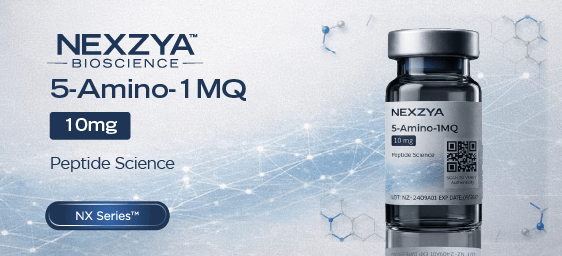
NNMT Inhibition Compound
5-Amino-1MQ is a small-molecule compound investigated in laboratory research for its inhibitory activity on nicotinamide N-methyltransferase (NNMT), an enzyme involved in cellular metabolism and methylation pathways. It is commonly studied in experimental models exploring metabolic regulation, adipocyte biology, and NAD⁺-related biochemical processes.

Growth Axis Modulation
Tesamorelin (a growth hormone–releasing hormone analogue) combined with Ipamorelin (a selective growth hormone secretagogue) is investigated in laboratory research for its synergistic activity on the growth hormone signaling axis. This peptide combination is commonly studied in experimental models evaluating pulsatile GH release, metabolic regulation, and downstream IGF-1 pathway modulation within controlled research environments.
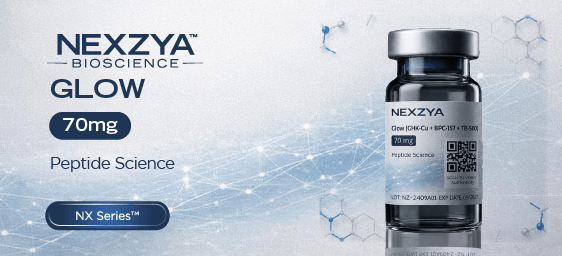
Regenerative Peptide Blend
Glow 70mg is a multi-compound peptide formulation investigated in laboratory research for its potential role in supporting cellular signaling pathways related to tissue integrity, extracellular matrix dynamics, and biological recovery processes. It is typically studied in experimental models exploring regenerative mechanisms, skin biology, and systemic cellular response modulation within controlled research settings.
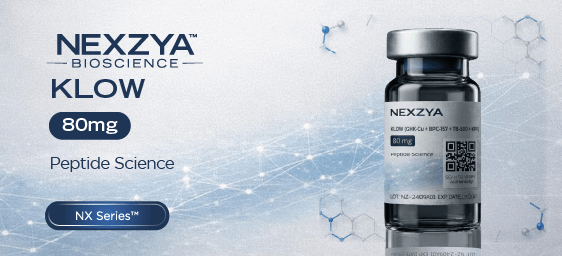
Bioregulatory Peptide Complex
Klow 80mg is a formulated peptide blend investigated in laboratory settings for its potential influence on cellular communication pathways and tissue-support mechanisms. It is commonly studied in experimental research models examining biomolecular regulation, structural protein dynamics, and systemic cellular signaling under controlled laboratory conditions.
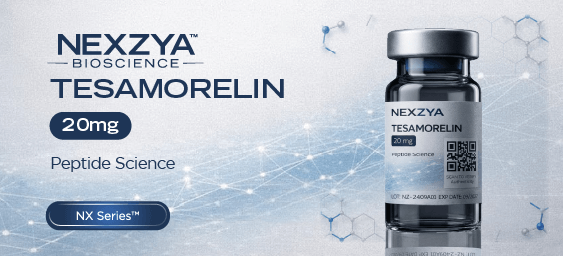
GHRH Analogue Peptide
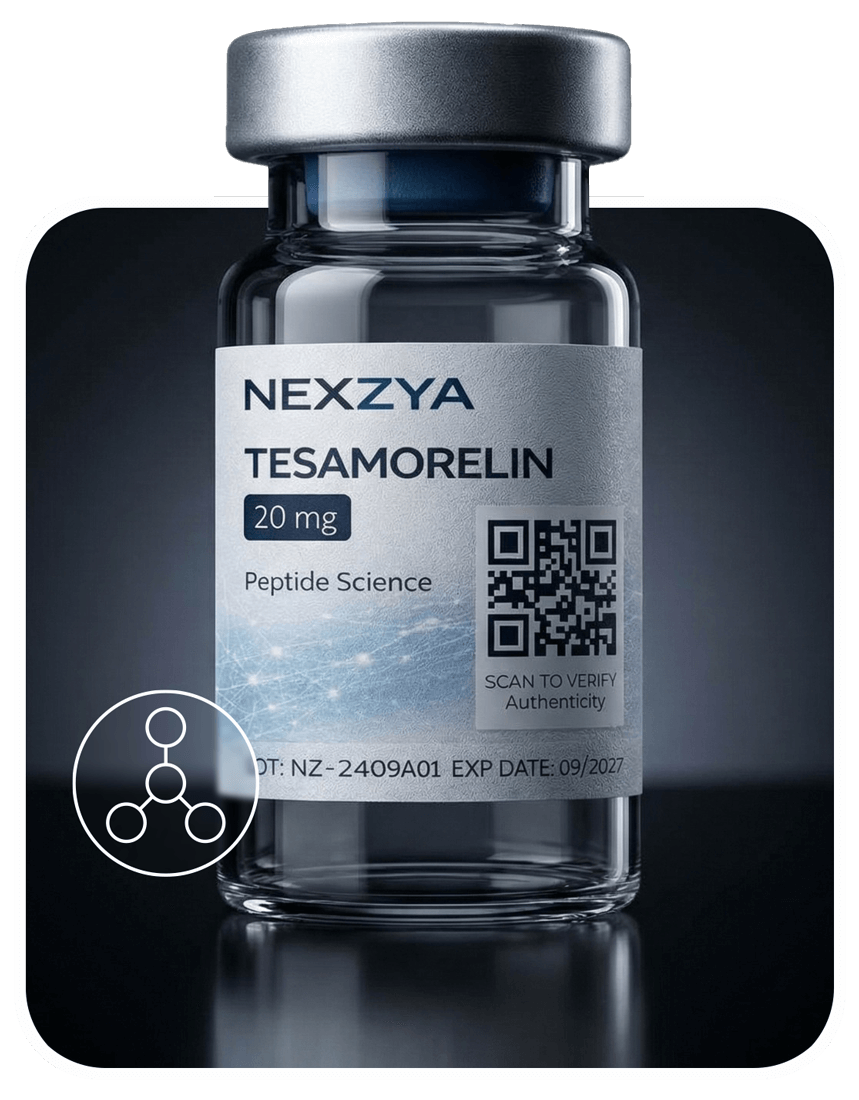
Tesamorelin is a synthetic analogue of growth hormone–releasing hormone (GHRH) investigated in scientific research for its activity on the hypothalamic–pituitary–somatotropic axis. It is commonly studied in experimental models evaluating regulated growth hormone secretion, downstream IGF-1 modulation, and metabolic pathway dynamics within controlled laboratory environments.
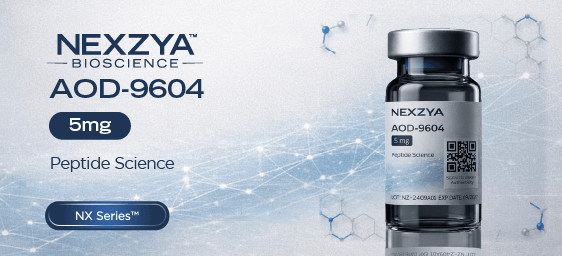
GH Lipolytic Fragment
AOD 9604 is a synthetic peptide corresponding to the 176–191 amino acid fragment of human growth hormone, investigated in laboratory research for its selective interaction with lipid metabolism pathways. It is commonly studied in experimental models examining adipose tissue signaling and targeted lipolytic activity without broader growth-related pathway activation.
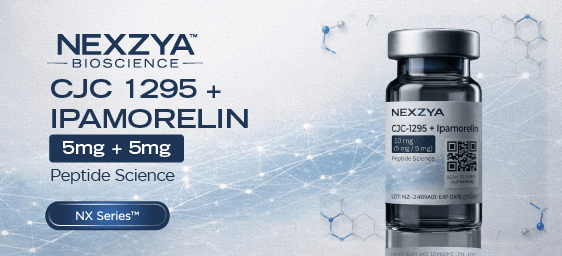
Dual GH Secretagogues
CJC-1295 (a growth hormone–releasing hormone analogue) combined with Ipamorelin (a selective growth hormone secretagogue) is investigated in laboratory research for its complementary stimulation of the growth hormone axis. This combination is commonly studied in experimental models evaluating pulsatile GH modulation, receptor-specific activity, and downstream endocrine signaling dynamics within controlled research environments.
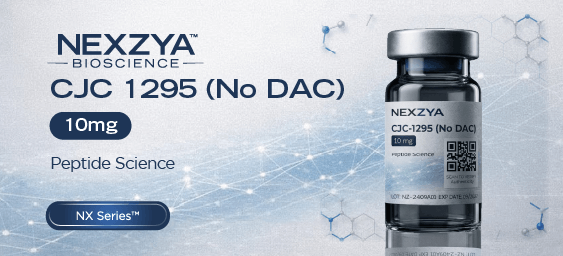
Short-Acting GHRH Analogue
CJC-1295 (No DAC) is a synthetic growth hormone–releasing hormone (GHRH) analogue lacking the Drug Affinity Complex (DAC) component, resulting in a shorter half-life profile. It is investigated in laboratory research for its role in controlled growth hormone signaling studies, particularly in experimental models examining pulsatile endocrine modulation and receptor-mediated pathway dynamics.
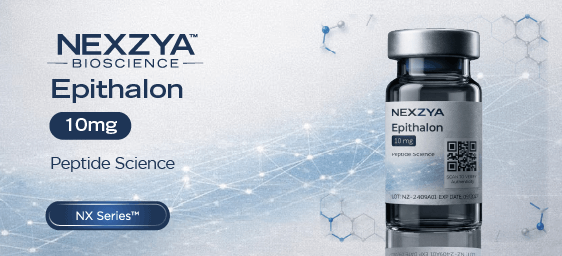
Telomerase Peptide
Epithalon (Epitalon) is a synthetic tetrapeptide investigated in laboratory research for its interaction with telomerase activity and cellular aging pathways. It is commonly studied in experimental models exploring chromosomal stability, cellular lifespan regulation, and biomolecular mechanisms associated with age-related cellular processes.
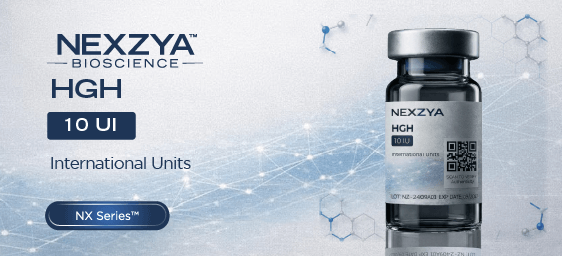
Recombinant Growth Hormone
Human Growth Hormone (HGH) is a recombinant form of somatotropin investigated in laboratory and endocrine research for its role in growth signaling pathways, protein synthesis regulation, and metabolic modulation. It is commonly studied in experimental models evaluating the somatotropic axis, IGF-1 pathway dynamics, and systemic endocrine interactions within controlled research environments.
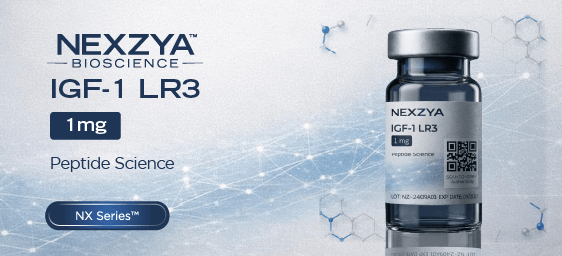
Long-Acting IGF Analogue
IGF-1 LR3 (Long Arg3 Insulin-Like Growth Factor-1) is a modified analogue of IGF-1 engineered with an extended half-life and reduced binding affinity to IGF binding proteins. It is investigated in laboratory research for its prolonged receptor interaction and downstream signaling activity, commonly studied in experimental models examining cellular proliferation pathways and anabolic signaling dynamics within controlled research environments.
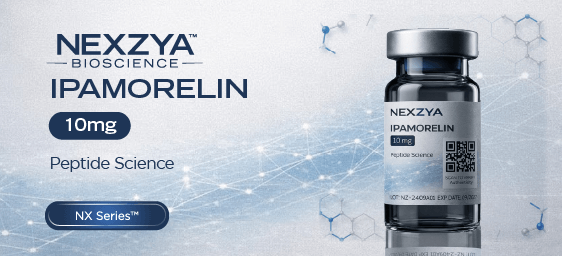
Selective GH Secretagogue
Ipamorelin is a synthetic pentapeptide investigated in laboratory research for its selective agonist activity at the growth hormone secretagogue receptor (GHS-R1a). It is commonly studied in experimental models evaluating regulated growth hormone release, receptor-specific signaling pathways, and neuroendocrine modulation within controlled research environments.
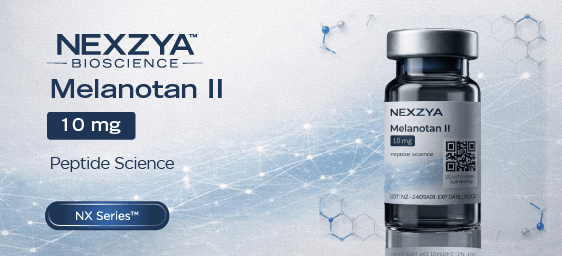
Melanocortin Analogue
Melanotan is a synthetic analogue of α-melanocyte–stimulating hormone (α-MSH) investigated in laboratory research for its activity on melanocortin receptors. It is commonly studied in experimental models examining melanogenesis pathways, pigmentation signaling mechanisms, and receptor-mediated neuroendocrine interactions within controlled research environments.

Tuftsin-Derived Peptide
Selank is a synthetic heptapeptide analogue derived from the immunomodulatory peptide tuftsin, investigated in laboratory research for its interaction with neurochemical signaling pathways. It is commonly studied in experimental models examining neurotransmitter modulation, stress-response mechanisms, and immune–neural system interactions within controlled research environments.
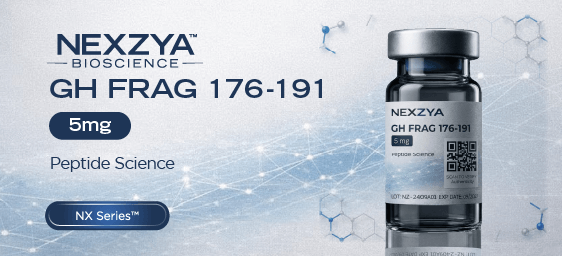
C-Terminal Growth Hormone Fragment
GH Fragment 176–191 is a synthetic peptide corresponding to a specific C-terminal segment of human growth hormone, investigated in laboratory research for its selective interaction with lipid metabolism pathways. It is commonly studied in experimental models examining adipose tissue signaling and targeted lipolytic mechanisms without broader activation of full-length growth hormone pathways.

ACTH-Derived Analogue
Semax is a synthetic peptide derived from a fragment of adrenocorticotropic hormone (ACTH 4–10), investigated in laboratory research for its interaction with neurotrophic and neurochemical signaling pathways. It is commonly studied in experimental models examining brain-derived neurotrophic factor (BDNF) modulation, cognitive signaling mechanisms, and central nervous system regulatory dynamics within controlled research environments.
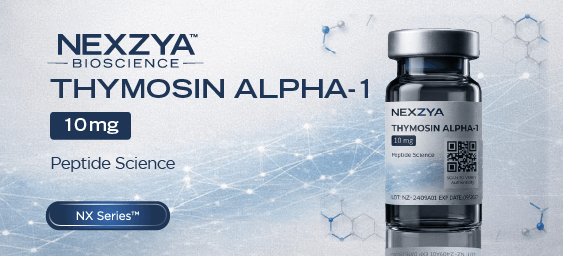
Immunomodulatory Peptide
Thymosin Alpha-1 is a synthetic analogue of a naturally occurring thymic peptide investigated in laboratory research for its role in immune system signaling and T-cell modulation pathways. It is commonly studied in experimental models examining adaptive immune response regulation, cytokine signaling dynamics, and host defense mechanisms within controlled research environments.
NEXZYA Bioscience: Advanced Peptide Science & Biomolecular Research
Scientific-Grade Bioscience Solutions with Analytical Transparency
Focus on international bioscientific solutions with technical rigor and analytical traceability
Advancing Science Begins With Precision.
Supporting biomolecular research with validated compounds, documented analytical integrity, and research-grade quality standards.
Our Scientific Supply Process
Scientific-Grade Bioscience Solutions with Analytical Transparency
Focus on international bioscientific solutions with technical rigor and analytical traceability
01
Technical Qualification
Initial verification of institutional profile and research purpose to ensure alignment with laboratory-grade supply standards.
02
Scientific Documentation
Provision of analytical data, Certificate of Analysis (COA), purity reports, and technical specifications for review.
03
Order Structuring
Definition of compound format, concentration, batch traceability, and documentation requirements according to research needs.
04
Ongoing Scientific Support
Continued technical communication, batch validation assistance, and documentation transparency for research continuity.
The Scientific Structure Behind Our Platform
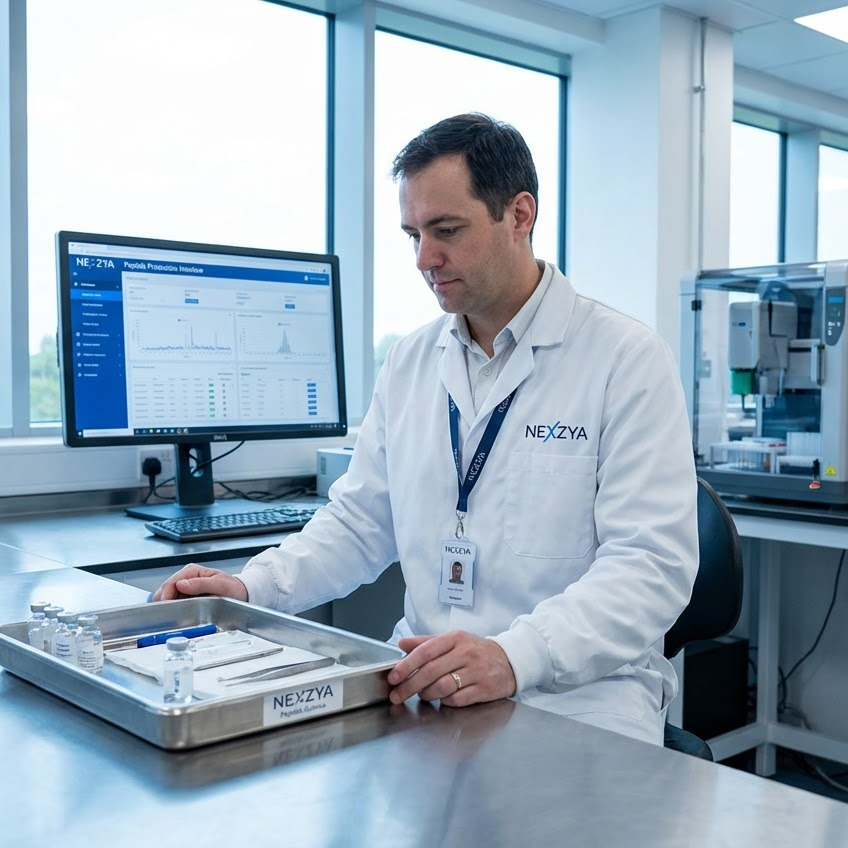
Our operations are supported by a structured bioscientific framework designed to ensure analytical precision, documented validation, and research-grade reliability.
Rather than relying on individual representation, our model is built upon standardized laboratory procedures, batch traceability protocols, and controlled quality verification processes. Each compound is supported by analytical documentation and internal validation workflows aligned with international research standards.
Our compounds are manufactured within certified laboratory infrastructures in South Korea (대한민국) and the Czech Republic (Česká republika) — jurisdictions recognized for their advanced scientific ecosystems and high-level manufacturing governance.
This international structure reinforces our commitment to analytical rigor, operational transparency, and globally aligned quality standards.
Contact Us
Advanced Peptide Science & Biomolecular Research
South Korea — 대한민국
Czech Republic — Česká republika
Resources
NEXZYA™ Bioscience | Since 1986 All Rights Reserved